Revolutionizing Real Estate Sales: The Impact of Virtual Tours in Today's Market
Virtual tours have emerged as a powerful tool in the real estate industry, offering a dynamic and interactive way for buyers to experience properties remotely. As technology continues to evolve, virtual tours have become more accessible and sophisticated, enabling real estate professionals to showcase homes in a compelling and engaging manner. This guide will delve into the significance of virtual tours, their advantages over traditional methods, and how they are reshaping the real estate landscape.
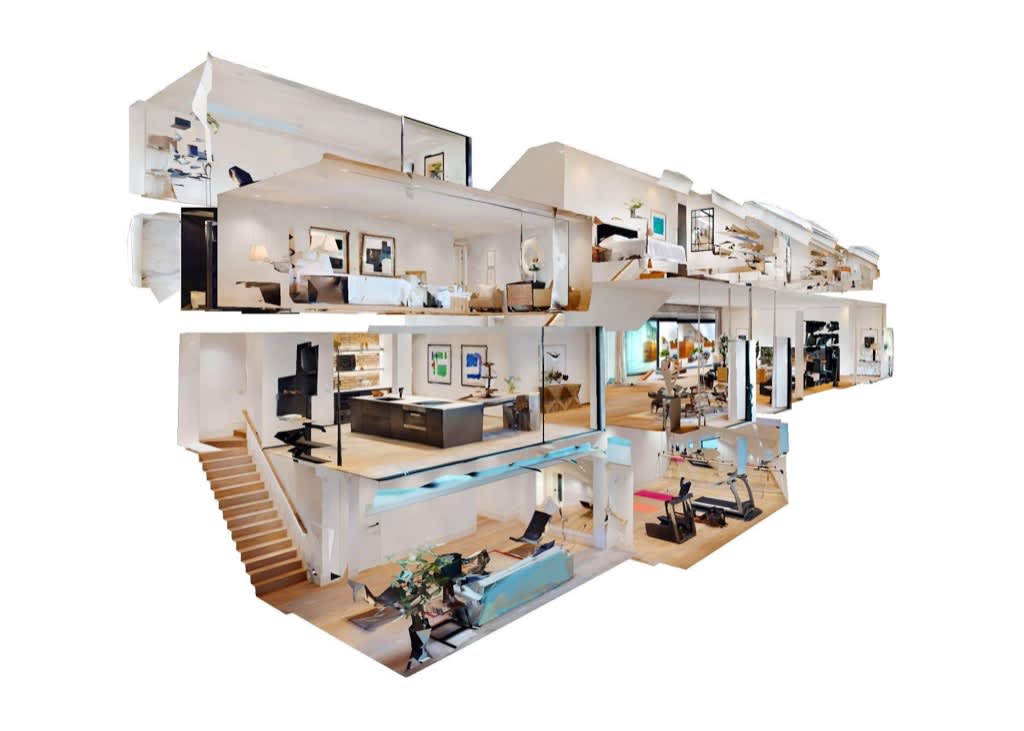
Understanding Virtual Tours
Virtual tours utilize advanced imaging technology to create a 360-degree panoramic view of a property, allowing viewers to navigate through rooms and explore key features in detail. Unlike static photographs, virtual tours provide a sense of spatial awareness and depth, giving potential buyers a more realistic sense of what it's like to walk through the property. This immersive experience helps buyers visualize themselves living in the home and can significantly shorten the decision-making process.
Benefits of Virtual Tours for Sellers
For sellers, virtual tours offer numerous advantages in marketing their properties effectively:
- Increased Exposure: Ability to reach a wider audience of potential buyers beyond your homes local markets.
- 24/7 Accessibility: Allow interested buyers to tour the property at any time, from anywhere.
- Enhanced Engagement: Capture buyer attention with interactive features and detailed property views.
- Time Efficiency: Reduce the need for multiple in-person showings, focusing on serious buyers.
Implementing Virtual Tours Successfully
To maximize the impact of virtual tours, one should consider the following implementation strategies:
- Choosing the Right Technology: Selecting a reputable virtual tour provider or platform that offers high-quality imaging and user-friendly navigation is key.
- Preparing the Property: Staging your home to highlight its best features and ensure all areas are well-lit and clutter-free for optimal presentation.
- Promoting the Virtual Tour: Strategically integrating virtual tours into the marketing strategy across multiple channels, including real estate websites, social media platforms, and listing portals.
- Engaging Buyers: Encourage interaction by incorporating interactive elements such as clickable hotspots, floor plans, and video walkthroughs.
Impact on Buyer Behavior
Virtual tours influence buyer decisions by providing a comprehensive and immersive viewing experience:
- Increased Buyer Confidence: Build trust and transparency by offering a realistic portrayal of the property.
- Reduced Buyer Disappointment: Minimize surprises and misunderstandings by accurately representing the property's layout and condition.
- Faster Decision-Making: Expedite the sales process as buyers can form a stronger connection with the property remotely.
Virtual tours have revolutionized the real estate industry by providing an innovative solution to showcase properties and enhance the buying experience. By embracing this technology, sellers can attract more qualified buyers, streamline the sales process, and differentiate their listings in a competitive market. As virtual tours become standard practice in real estate marketing, staying ahead of technological advancements will be crucial for maximizing property exposure and achieving successful sales.